Resource Smart
What are we doing in our school curriculum at Bogong?
The Bogong curriculum is rich in learning about environmental sustainability.

“Energy Watch” Energy Education
Students work in pairs to perform this duty each morning and evening. It is their job to cover the whole of the accommodation area and common rooms, monitoring what lights and heaters have been left on. The students then turn the lights and heaters off and provide a report back to the whole student group on the number of items left running. This is then discussed as a group as to the impact our actions or inactions can make on the environment.
As the week unfolds the twice-daily duty of ‘energy watch’ looks for an improvement in the use of the heating and lighting. Students are also directed to come up with a range of strategies to decrease their energy use while at Bogong.
Outdoor School Bogong was formally the hub of the Kiewa Valley Hydro Scheme in terms of administration and accommodation.
This gives us a great platform to work with students in groups around the benefits of hydro electricity generation and onto other renewables. Students sometimes visit the local hydro-power station here at Bogong and gain an understanding of how hydro-electricity works. From here we talk to students about making choices in the type of electricity their houses may be using, and encourage them to have discussions with their families around electricity usage with a view to selecting a greener alternative to coal.

Waste Education
As part of their duties, students are involved in the sorting of waste and daily compost generated from the kitchen. The students empty all our compost buckets into the compost bin after a bit of a chop up, and then spin the tumbler. Through this process they are educated in the workings and benefits of composting and are encouraged to become involved in composting in their home our own school environments. Bogong has an extensive recycling system encouraging students to separate and minimize waste. Students also participate in Clean Up Schools Day each year.
Water Education
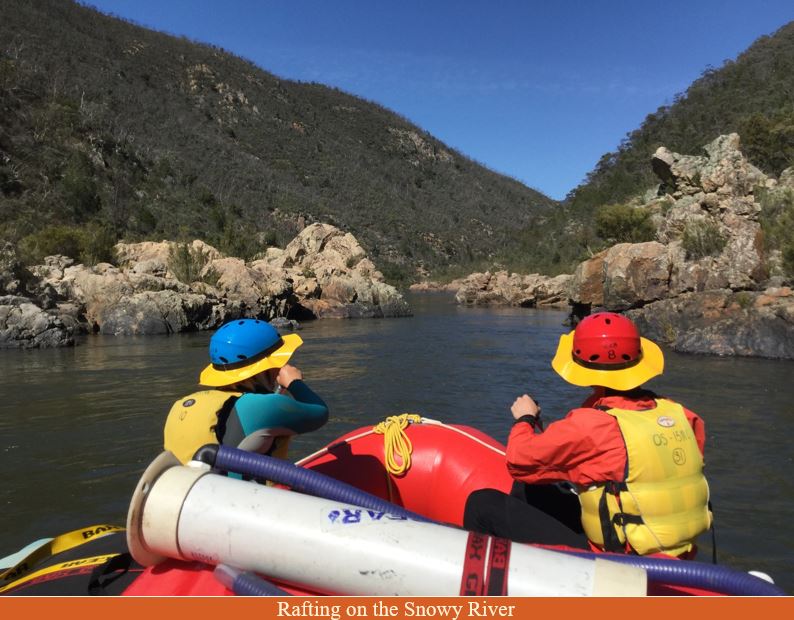
Students at Bogong are immersed in water education during the program. Discussions about water occur when students are out in the field. They could be canoeing, collecting and drinking water from pristine alpine environments while out bushwalking in the high plains, participating in ‘The story of a River’, or skiing on manmade snow requiring large amounts of water. All these activities provide the opportunity for educational experiences and understanding of water and its importance in our lives, and also the need to conserve and protect our waterways.
The students also take part in the Bogong Water Challenge. This challenge encourages students to use 4 minute water timers when they shower, to challenge each other to do the same, and to continue this behaviour when they return home (see resources). We find the fact that we are enveloped within the hydro scheme both at Bogong and on the high plains that we are able to reference it regularly and discuss its impacts.
Teachings around hydropower then usually lead onto water usage and its origin. The fact that we are at the head of the catchment enables us to work through the many environmental issues that surround water and allow us to make that important link back to the student’s home area.
View the Bogong Water Challenge.

Biodiversity Education
We are in a unique position here at Bogong to be able to educate our students about biodiversity through their experiences in the field.
In their everyday activities students learn about issues relating to: weed species/invasion, feral animal impacts, natural cycles and plant/animal adaptations and protection, weather, and endangered species. One particular endangered species that we teach about at Bogong is the Mountain Pygmy Possum (Burramys Parvus).
Here at Bogong we have the Kiewa Discovery Centre which is an energy efficient building designed with student learning in mind. Within the centre we have a number of different animal species as part of our Captive Animal Program. Currently residing onsite we have Sugar Gliders, Bearded Dragons, a Blue Tongued Lizard and a Children’s Python. Students learn about these animals and the importance of them as part of their varying ecosystems. They also have the opportunity to handle the animals which brings great delight to many.
Most week’s students take part in two sessions especially dedicated to environmental studies – ‘Bogong’s Backyard’ and ‘Bogong at Night’. In these sessions they might explore the environment, take part in activities such as Tree Identification, weed eradication, or experience our permanent sensory blindfold trail.
Part of the curriculum at Bogong involves students collecting weather information from our onsite electronic weather station and communicating this information to the whole student body at set times each day. This is an important part of the Bogong experience as it relates to the conditions the students are experiencing on a day-to-day basis.
Food Education
Bogong adopts a food waste reduction program whereby students are consulted in the food that they wish to eat, thus not serving up or creating meals that students will not eat. Students make their own breakfasts and lunches, making choices and using the ingredients that they enjoy. The main evening meal revolves around environmental themes such as carbon education and indigenous education. Students then explore ways in which to reduce the footprint of their meals.
While staying at Bogong, students are introduced to ‘Nudies’ – lunchboxes that carry food without any form of wrappings. This has been a Bogong tradition that goes back a long way. Students are given tips for packing without wrapping and the reasons why are discussed. The quality of the food, the type of the food, the lack of wrapping and the reduction of waste are all talked through with the students so they have an understanding of why their meal is served the way it is. We are always exploring more options to minimise our waste production here onsite.
A ‘meat-free’ meal occurs one night each week throughout the year and is coupled with education about the comparison between a meat based dish and a vegetable based dish in terms of a carbon cost to the environment.